Épernay
Find out more about Champagne wines below
-
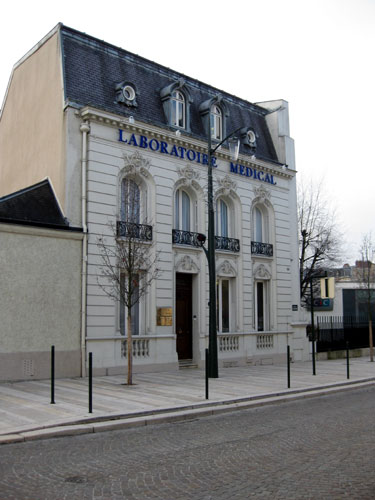
 Épernay
 -
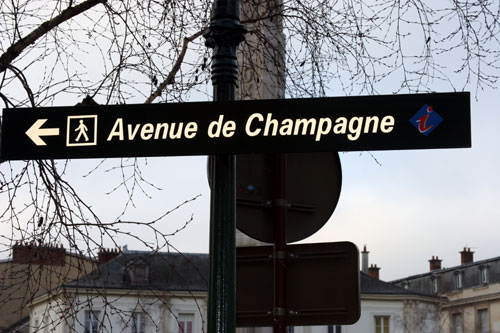
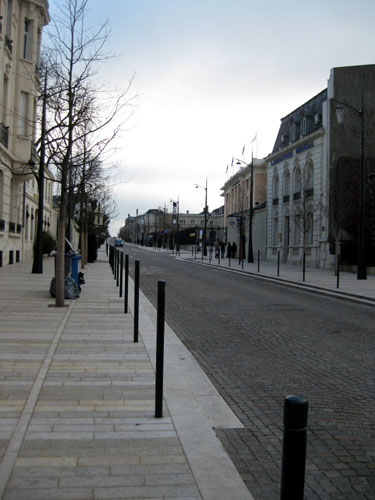
 Avenue de Champagne, Épernay
 -
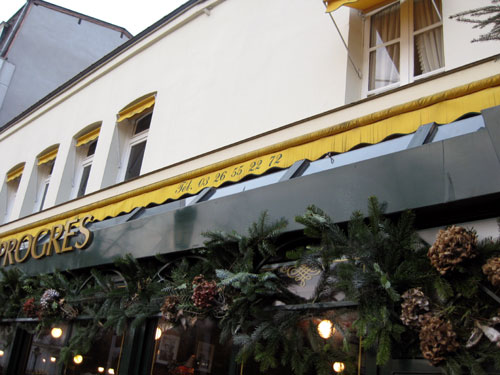
 Le Progres brasserie, Épernay
 -
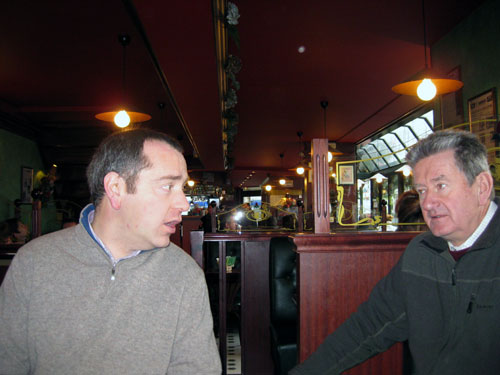
 Le Progres brasserie, Épernay
 -
 Croque Monsieur. Le Progres, Épernay
 -
 Le Progres brasserie, Épernay
 -
 Épernay
 -
 Épernay
 -
 Épernay
 -
 Épernay
 -
 Épernay
 -
 Épernay
 -
 Épernay
 -
 Épernay
 -
 Épernay
 -
 Épernay
 -
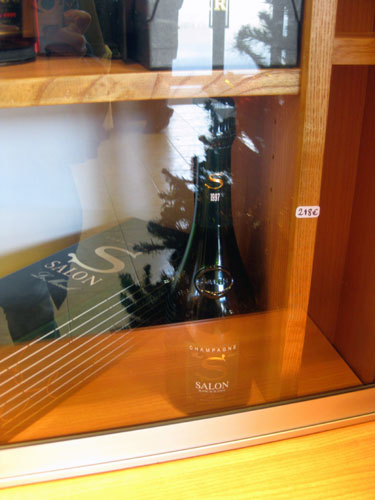
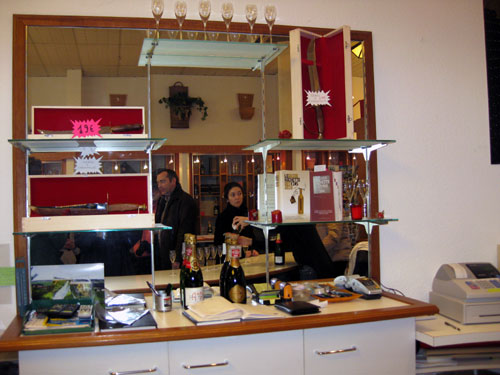
 Salon - at €218, the most expensive in the shop
 -
 Épernay
 -
 Épernay
 -
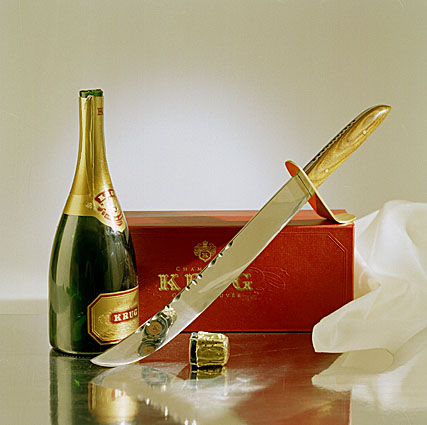
 The boxes on shelves contain Sabres a Champagne. Used on ceremonial occasions. these are swords to open Champagne bottles using a technique called sabrage. The sabre is slid along the body of the bottle toward the neck. The force of the blade hitting the lip breaks the glass to separate the collar from the neck of the bottle. The cork and collar remain together after separating from the neck.
 -
 Sabre
Sabre -
 (poster)
 -
 Épernay
 -
 Épernay
 -
 Épernay
 -
 Épernay
 -
 Épernay
 -
 Épernay
 -
 Épernay
 -
 Épernay
 -
 Épernay
 -
 Épernay
 -
 Épernay
 -
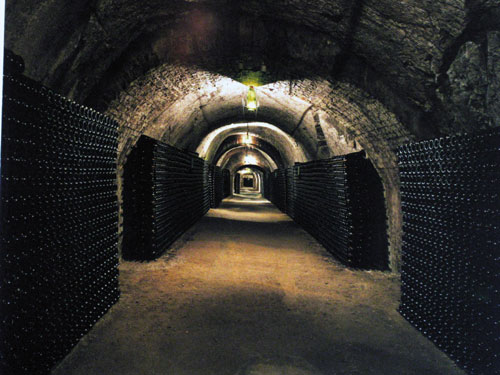
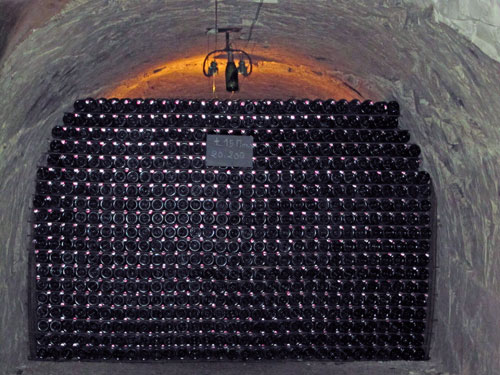
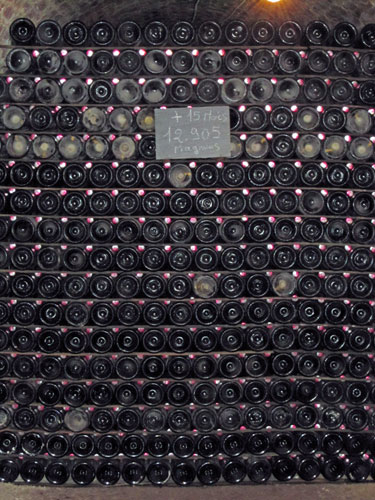
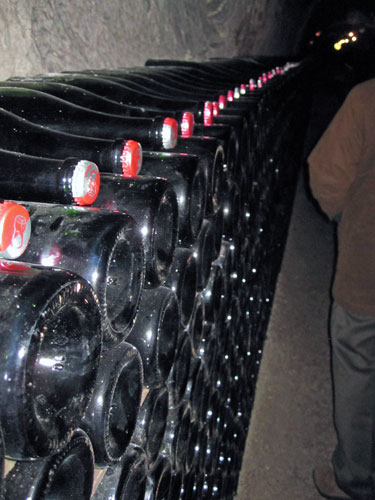
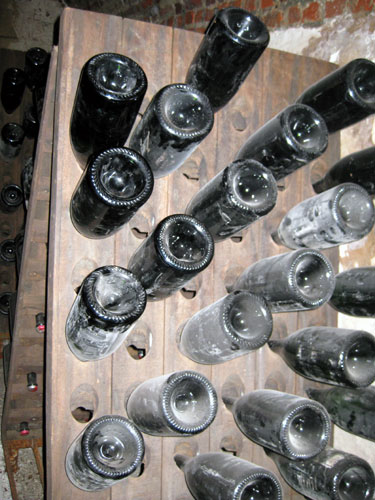
 Riddler. Used to rotate and increase the angle of the bottles over a period of 6-8 weeks, so that the lees (deposits of dead or residual yeast) settles in the neck of the wine bottles
 -
 Champagne sediment
 -
 Épernay
 -
 Épernay
 -
 Épernay
 -
 Épernay
 -
 Épernay
 -
 Épernay
 -
 Épernay
 -
 Épernay
 -
 Épernay
 -
 Épernay
 -
 Épernay
 -
 Épernay
 -
 Épernay
 -
 Épernay
 -
 Épernay
 -
 Épernay





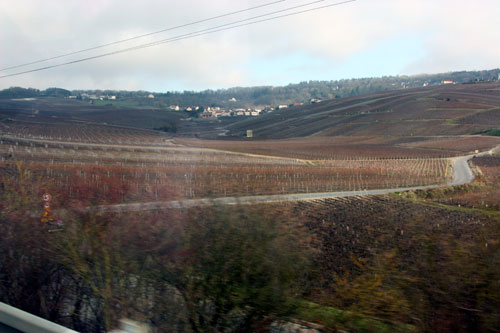
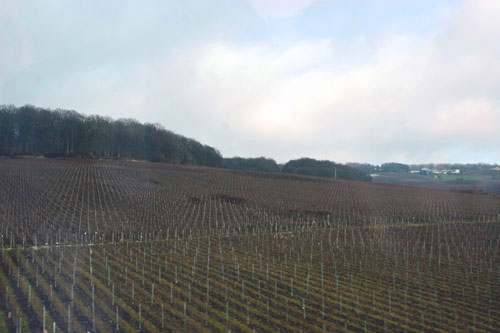
About Champagne grapes
Champagne is a single Appellation d'Origine Contrôlée. As a general rule, the only grapes used must be a combination of any of white Chardonnay, and the dark-skinned "red wine grapes" Pinot Noir or Pinot Meunier.
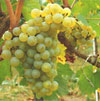
Chardonnay is a white grape with high acidity. Wines produced using it have a very long life. In Champagne, where it is tended with expert care and reverence, they consider it a king of grapes, and it commands high prices. When Champagne is made from 100% Chardonnay, the Champagne is labelled Blanc de Blancs.
While it can have a floral bouquet of acacia and hawthorn, Chardonnay generally produces flavours and aromas of apples, pears, peaches and apricots. Its acidity can give it marvellous citrus harmonies, ranging from lemon and lime to orange and tangerine. Chardonnay Champagnes have a touch of the exotic, with a palate of tropical fruits: pineapple, the sweet tang of kiwi, banana, fresh guava juice, mango and the rich mellowness of melon.
Malolactic fermentation (when the tart-tasting malic acid, naturally present in grape must, is converted to softer-tasting lactic acid), often part of the chardonnay fermenting process, gives the wine nuances of butter, cream and nuts. Light oaking enriches vanilla, sweet wood and coconut tones, while heavier oaking develops in to deep rounded flavours of oak, smoke and toast; and can produce aromas of yeast and wine sediment.
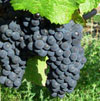
Pinot Noir is a black grape. It is not as long-lived as Chardonnay but can impart far more complex flavours. As Champagne is a white sparkling wine, when it is made from 100% Pinot Noir or a Pinot Noir and Meunier mix, the Champagne is labelled Blanc de Noir.
The floral aroma of Pinot Noir is reminiscent of violets and rose petals. It has rich fruity flavours of strawberry, cherry, raspberry and currants. Pinot Noir Champagnes can be spicy, seasoned with sassafras, rosemary, cinnamon, caraway and even peppermint. It can also have herbal tones of rhubarb, beetroot, oregano, green tomato, green tea and sometimes black olives.
The soil and precise areas where Pinot Noir is grown impart their own flavours to the wine. These flavours can include truffles, mushroom, earth and leather. Further aromas and flavours are added if the wine is aged or fermented in oak barrels. Light oak aging will give essences of vanilla, coconut and sweet wood. Heavy oak age will give the Champagne with undertones of oak, smoke, toast and sometimes tar. The length of time the Champagne ages in the bottle, whether before or after the sediment has been removed, can add cedar, biscuit and toast to the mix.
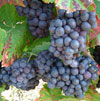
The black Pinot Meunier is a hard grape, which has the advantage in Champagne of budding late and ripening early, thus avoiding frost in spring and rain in autumn. It also yields 10-15% more fruit than Pinot Noir.
It has a slightly higher natural acidity than Pinot Noir which gives a brightness and fruitiness to Champagne blends. However, Champagnes rely on Pinot Noir to provide more of the colour and tannin content. Champagnes that use Meunier in their blend are not as long-lived.
Pinot Meunier has an inherent fruitiness, rich in redcurrant, cassis, plum
and cherry. It develops intriguing aromas toast or fresh bread, with caramel
and spice. It gives a soft and mild palate, perfectly designed for Champagnes
that are designed to be drunk young.
Soil in the Champagne region is either chalky
or a clay-chalk mixture. The subsoil of most of the vineyards in the Marne
department consists of chalk. There are sandy subsoils in the area to the
west of Reims, Marl in the Aisne and Kimmeridgean Marl in the Côte
des Bar. In Champagne, as a rule of thumb, the entire yield of one vine
is required to make just one bottle. Or in other words it takes one sixth
of a the entire yield of a vine to produce one Champagne flute of wine.
In addition to the white chalky soil reflecting sunlight back up to the vines, two other benefits arise from the high chalk content: During rainy periods the soil has good water retention due to the capacity of chalk to absorb up to 40% its volume. If there is too much rain then the chalk ensures excellent drainage. During dry periods, moisture in the chalk is available to the vine's roots and moisture in the subsoil rises to the surface by capillaric action. Heat from the sun builds up in the soil during the day and is then released during the night.
Champagne production
First the wine is made in the usual way (Vinification), using a combination of the grapes described above. This is followed by a secondary bottle fermentation:
 |
Tirage or Bottle Fermentation:
|
 |
Remuage or Riddling:
|
 |
Degorgement, or Disgorging
|
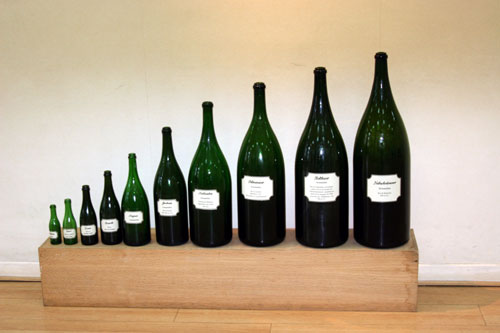
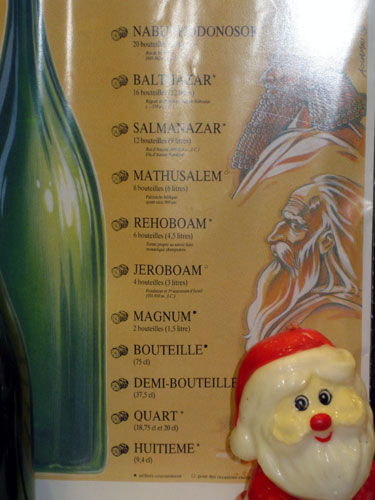
Champagne bottle sizes
| Name | Eighth |
Quarter |
Half-Bottle |
Bottle |
Magnum |
Jeroboam |
Rehoboam |
Methuselah |
Salmanazar |
Balthazar |
Nebuchadnezzar |
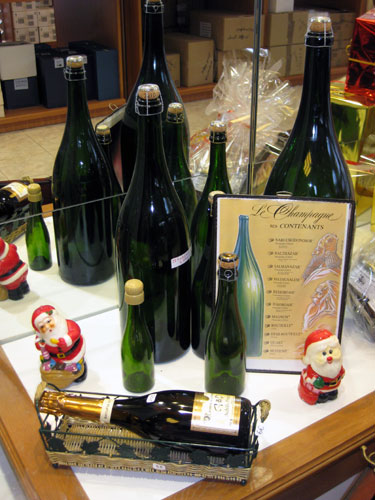
| Capacity | 9.25 cl | 18.5 cl | 37.5 cl | 75 cl | 1.5 litres | 3 litres | 4.5 litres | 6 litres | 9 litres | 12 litres | 15 litres |
| Bottles | 1/8 | 1/4 | 1/2 | 1 | 2 | 4 | 6 | 8 | 12 | 16 | 20 |